Tom Kennedy
Known for Acting
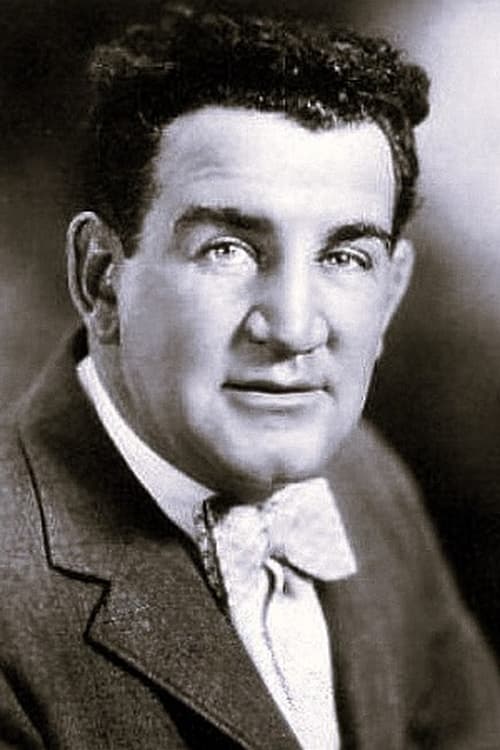
Details
Birthday: July 14, 1885
Deathday: October 06, 1965
Place of birth: New York City, New York, USA
Biography
From Wikipedia, the free encyclopedia
Tom Kennedy (July 15, 1885 – October 6, 1965) was an American actor known for his roles in Hollywood comedies from the silent days, with such producers as Mack Sennett and Hal Roach, mainly supporting lead comedians such as the Marx Brothers, W. C. Fields, Mabel Normand, Shemp Howard, Laurel and Hardy, and the Three Stooges. Kennedy also played dramatic roles as a supporting actor. For over 50 years, from 1915 to 1965, he appeared in over 320 films and television series, often uncredited.
His first film was a short black and white comedy, His Luckless Love. Kennedy was in all nine Torchy Blane films as Gahagan, the poetry-spouting cop whose running line was, "What a day! What a day!"
He is often erroneously listed in film sources as the brother of slow-burning comedian Edgar Kennedy. Though the two men were not related, they were apparently good friends, with Tom appearing in many of Edgar's domestic two-reel comedy shorts.
Tom Kennedy was also paired with Stooge Shemp Howard for several shorts for Columbia Pictures such as Society Mugs, as well as appearing with the Three Stooges in the films Loose Loot and Spooks!. He was also paired with El Brendel for four shorts, such as Phoney Cronies in 1942.
His television appearances included episodes of Perry Mason, Maverick, My Favorite Martian, and Gunsmoke.
Tom Kennedy continued making films right up until his death, his last film being the western The Bounty Killer.
Actor
1970
1965
1960
1959
1957
1955
1953
1953
1952
1952
1951
1951
1951
1951
1951
1950
1950
1949
1949
1948
1948
1948
1948
1948
1947
1947
1947
1947
1947
1947
1947
1946
1946
1946
1946
1946
1945
1944
1944
1944
1944
1944
1944
1944
1943
1943
1943
1943
1943
1943
1943
1943
1943
1943
1943
1943
1943
1942
1942
1942
1942
1942
1942
1941
1941
1941
1941
1940
1940
1940
1940
1940
1940
1940
1939
1939
1939
1939
1939
1938
1938
1938
1938
1938
1938
1938
1938
1938
1938
1938
1938
1937
1937
1937
1937
1937
1937
1937
1937
1937
1937
1937
1937
1937
1937
1937
1936
1936
1936
1936
1936
1936
1936
1936
1936
1935
1935
1935
1935
1935
1935
1935
1935
1935
1935
1935
1934
1934
1934
1934
1934
1933
1933
1933
1933
1933
1933
1933
1933
1933
1932
1932
1932
1932
1932
1932
1932
1932
1932
1932
1932
1932
1931
1931
1931
1931
1931
1931
1931
1930
1930
1929
1929
1929
1928
1928
1928
1928
1928
1928
1927
1927
1927
1927
1926
1926
1926
1926
1926
1926
1926
1925
1925
1924
1922
1922
1922
1922
1922
1922
1921
1921
1921
1920
1920
1919
1919
1918
1917
1917
1917
1917
1917
1917
1917
1916
1915